

Private Uterine Polyp Assessment & Removal in Birmingham
At Midlands Women’s Health, we provide expert diagnosis and treatment of uterine polyps performed by experienced consultant gynaecologists in a private, safe, and supportive environment in Birmingham and The Midlands.
Uterine polyps are benign growths on the lining of the uterus (endometrium) that can cause irregular bleeding, heavy periods, or fertility issues. Early assessment and treatment ensure relief from symptoms and prevention of complications.
Our clinic offers minimally invasive procedures, rapid diagnosis, and expert aftercare, helping women restore uterine health efficiently.
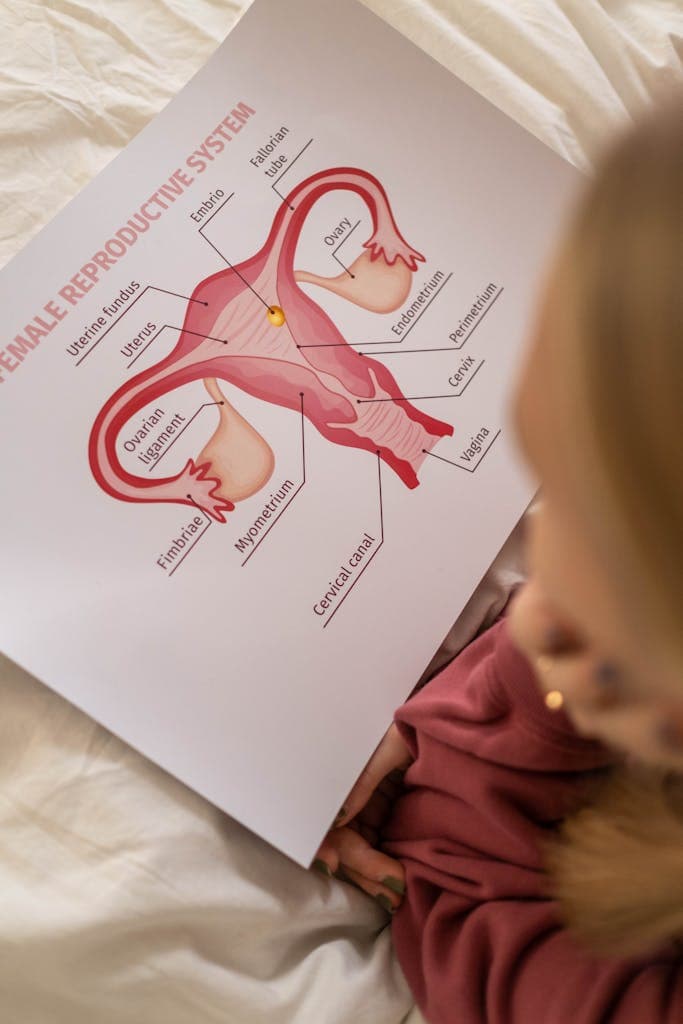
What Are Uterine Polyps?
Uterine polyps are soft, growths attached to the inner lining of the uterus. They vary in size and can be single or multiple, and while they are usually non-cancerous, some polyps may cause symptoms or affect fertility.
Common symptoms of uterine polyps include:
- Irregular or heavy menstrual bleeding
- Bleeding between periods
- Post-menopausal bleeding
- Difficulty conceiving or fertility issues
- Pelvic discomfort (less common)
Polyps are often detected during routine investigations for abnormal bleeding or infertility.
Causes of Uterine Polyps
The exact cause is unclear, but polyps are often associated with:
- Hormonal imbalance, particularly excess oestrogen
- Chronic inflammation of the uterine lining
- Post-menopausal changes
- Certain medications, such as tamoxifen
Polyps can sometimes resolve spontaneously, but persistent polyps often require removal.
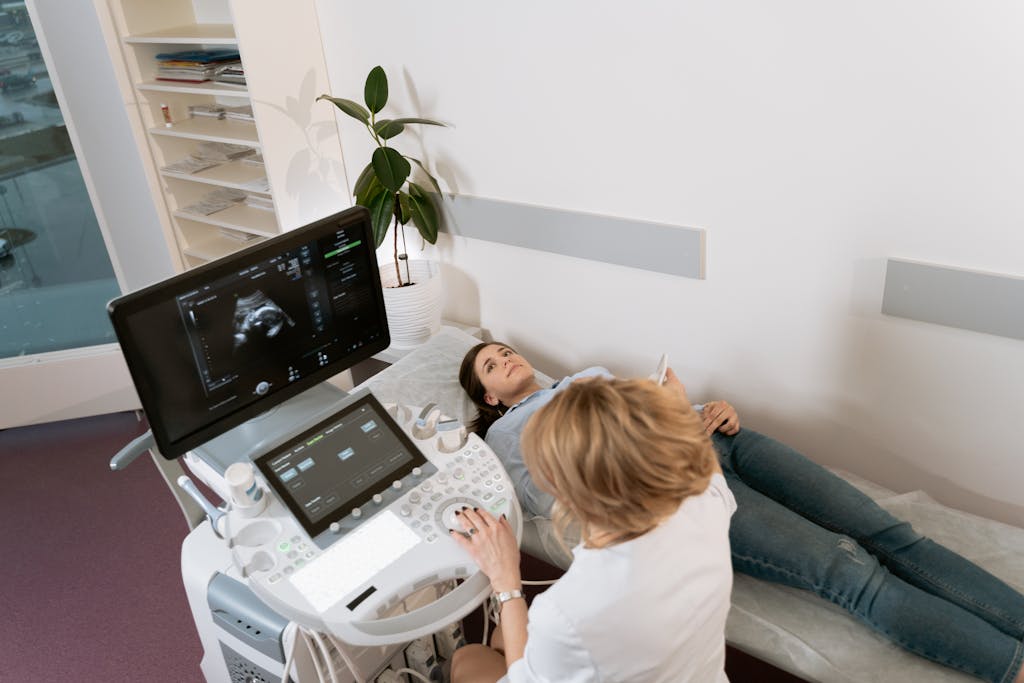
Diagnosis of Uterine Polyps
At Midlands Women’s Health, accurate diagnosis is achieved using:
- Transvaginal ultrasound – to visualise polyps within the uterus
- Hysteroscopy – a minimally invasive procedure using a camera to examine the uterine cavity
- Endometrial biopsy – if necessary, to assess the tissue for abnormal cells
Early detection ensures that polyps are treated safely and effectively
Treatment Options for Uterine Polyps
Treatment depends on the size, number, and symptoms of the polyps.
Hysteroscopic Polypectomy
- Minimally invasive outpatient procedure
- Uses a hysteroscope to visualise and remove polyps
- Typically performed under local or general anaesthetic
- Quick recovery and minimal discomfort
Endometrial Biopsy or Curettage
- Small polyps may be removed during a diagnostic biopsy or curettage
- Helps rule out pre-cancerous or cancerous changes
Follow-up and Monitoring
- After removal, histology confirms the nature of the polyp
- Follow-up appointments ensure complete recovery and prevent recurrence
What to Expect During the Procedure
- Most procedures are outpatient or day-case treatments
- Mild cramping or discomfort may occur
- Procedure times vary, usually 15–30 minutes depending on complexity
- Patients are given detailed aftercare instructions to promote healing
Recovery is typically quick, allowing women to return to normal daily activities within a day or two.

Recovery After Uterine Polyp Removal
- Light spotting or bleeding for several days is normal
- Mild cramping may occur for 1–2 days
- Avoid strenuous activity or sexual intercourse for 1–2 weeks
- Follow-up appointments ensure the uterus is healing well and no polyps remaint polyps are treated safely and effectively
Why Choose Midlands Women’s Health?
Patients choose Midlands Women’s Health for uterine polyp treatment because we provide:
- Consultant-led gynaecology care
- Private, comfortable clinic environment
- Minimally invasive outpatient procedures
- Personalised treatment and aftercare
- Rapid diagnosis and expert guidance
Our specialists prioritise safety, comfort, and patient reassurance.
Book a Consultation for Uterine Polyps
Our Surgical Specialist

Dr Mamta Pathak
Consultant Gynaecologist & Gynaecology Surgical Specialist
GMC: 5194087
Frequently Asked Questions
Uterine polyps are benign growths on the lining of the uterus, often causing abnormal bleeding or fertility issues.
Most polyps are non-cancerous, but persistent or large polyps can cause symptoms or rarely develop into pre-cancerous changes.
Polyps are usually removed using hysteroscopic polypectomy, a minimally invasive outpatient procedure. Small polyps may also be removed during endometrial biopsy or curettage.
Most patients experience only mild cramping. Local anaesthetic or sedation can be offered for comfort.
Recovery is usually quick. Mild spotting or cramping may last 1–2 days. Normal activities can often be resumed within a day or two.
Yes, polyps can recur, particularly if hormonal imbalances persist. Regular monitoring helps prevent recurrence.
Seek assessment if you have:
- Heavy, irregular, or prolonged periods
- Bleeding between periods
- Post-menopausal bleeding
- Fertility difficulties
- Suspected polyps on imaging
Helpful Websites & Support Resources
The following trusted organisations provide reliable information about diagnostic hysteroscopy, including why the procedure is performed, preparation, what to expect during the appointment, possible findings, risks, and recovery.
| Organisational Name | Link | Description |
| NHS | https://www.nhs.uk/conditions/hysteroscopy/ | Trusted NHS information explaining what a hysteroscopy is, why it may be recommended, how the procedure is performed, and what patients can expect before, during, and after the investigation. Common reasons include investigating abnormal bleeding, polyps, fibroids, and problems affecting the womb lining. |
| Royal College of Obstetricians and Gynaecologists | https://www.rcog.org.uk/for-the-public/ | Provides evidence-based patient information about gynaecological investigations and treatments, helping patients understand procedures, benefits, risks, and management options. |
| British Society for Gynaecological Endoscopy | https://www.bsge.org.uk/ | A professional organisation dedicated to improving standards and training in minimally invasive gynaecological procedures. Provides information relating to hysteroscopy, outpatient procedures, and best practice in gynaecological endoscopy. |
| Patient Info | https://patient.info/womens-health/periods-and-period-problems/hysteroscopy | Provides clear, patient-friendly information about diagnostic hysteroscopy, including reasons for referral, what happens during the procedure, discomfort and pain relief options, and aftercare. |
| Women’s Health Concern | https://www.womens-health-concern.org/ | Provides accessible, evidence-based information on women’s health conditions, investigations, and treatments, including resources to help patients prepare for gynaecological procedures and discuss concerns with healthcare professionals. |
Have Questions? Contact Us
Not sure which women’s health or gynaecology service is right for you?
Our friendly team at Midlands Women’s Health, a private women’s health clinic in Birmingham, is here to help
Get in Touch With Us
Address
Kat and Co, 20 Calthorpe Road, Edgbaston, Birmingham, B15 1RP
Phone

We provide fast, confidential, and patient-centered care to women across Birmingham and the Midlands
Let us help you take the next step towards better pelvic health, personalised gynaecology care, and improved quality of life.