

Private Operative & Therapeutic Hysteroscopy in Birmingham
Therapeutic hysteroscopy is a minor surgical procedure used to treat problems inside the uterus (womb). A thin telescope called a hysteroscope is gently inserted through the cervix to allow the doctor to see inside the uterine cavity and perform treatment at the same time.
Unlike diagnostic hysteroscopy, therapeutic hysteroscopy allows the doctor to remove abnormalities or correct structural issues during the procedure.
This approach means many patients can avoid more invasive surgery and recover quickly.
Book a Therapeutic Hysteroscopy Consultation in Birmingham
If you are experiencing fertility difficulties, abnormal bleeding, or uterine abnormalities, Midlands Women’s Health offers private therapeutic hysteroscopy appointments in Birmingham and across the Midlands.
Book with our team today to and discuss your treatment options with a specialist gynaecologist.
Our Hysteroscopy Lead

Dr Mamta Pathak
Consultant Gynaecologist and Surgical Specialist
GMC: 5194087

Conditions Treated with Therapeutic Hysteroscopy
Therapeutic hysteroscopy is commonly used to treat:
- Uterine polyps
- Submucosal fibroids
- Intrauterine adhesions (Asherman’s syndrome)
- Uterine septum or structural abnormalities
- Retained pregnancy tissue
- Abnormal uterine bleeding
- Fertility-related uterine abnormalities
Treating these conditions can significantly improve fertility outcomes and reproductive health.
Therapeutic Hysteroscopy for Fertility
Many uterine conditions can interfere with embryo implantation or pregnancy success. Therapeutic hysteroscopy allows our specialists to restore the uterine environment, improving the chances of natural conception or assisted fertility treatments such as IVF.
At Midlands Women’s Health, hysteroscopy is often recommended as part of a comprehensive fertility investigation.
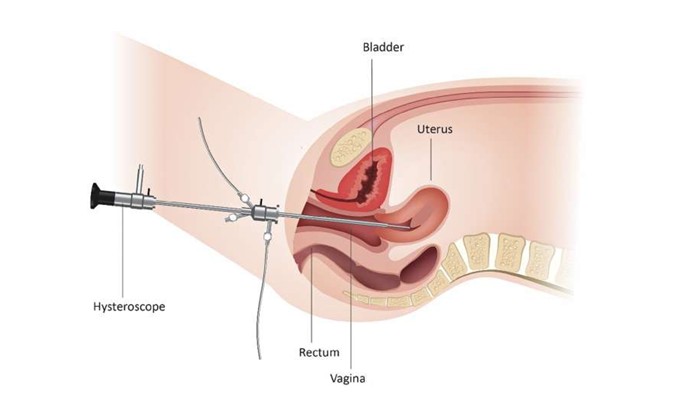
What Happens During the Procedure?
The procedure is usually performed as a day-case treatment.
During therapeutic hysteroscopy:
- A small hysteroscope is inserted through the cervix.
- The uterus is gently expanded using sterile fluid.
- Specialised instruments are used to treat the identified condition.
- Tissue or abnormalities may be removed if necessary.
The procedure typically takes 20–45 minutes, depending on the treatment required.
Recovery After Therapeutic Hysteroscopy
Most patients recover quickly and can return to normal activities within 24–48 hours.
You may experience:
- Mild cramping
- Light bleeding for a few days
- Temporary watery discharge
Your doctor will advise when it is safe to resume intercourse or fertility treatments.
Why Choose Midlands Women’s Health?
Midlands Women’s Health offers specialist private gynaecology and fertility care in Birmingham and the Midlands, providing:
- Consultant-led care
- Advanced hysteroscopic technology
- Rapid access to diagnosis and treatment
- Personalised fertility treatment plans
- A discreet and supportive clinical environment
Our experienced team focuses on optimising uterine health to support fertility and long-term gynaecological wellbeing.
Frequently Asked Questions – Therapeutic Hysteroscopy
Diagnostic hysteroscopy is used to examine the uterus, while therapeutic hysteroscopy allows the doctor to treat problems during the same procedure, such as removing polyps or fibroids.
Most patients experience only mild discomfort or cramping. The procedure may be performed with local anaesthetic, sedation, or general anaesthetic, depending on the treatment required.
Recovery is usually quick. Many patients return to normal activities within 1–2 days, although mild bleeding or cramping may occur for a few days.
Yes. Removing uterine abnormalities such as polyps, fibroids, or adhesions can improve the uterine environment and embryo implantation, increasing the chances of pregnancy.
Your doctor will provide individual advice, but many patients can begin trying to conceive within one menstrual cycle, depending on the treatment performed.
Not everyone requires it, but if scans suggest uterine abnormalities, hysteroscopy can improve the chances of successful embryo implantation during IVF.
Helpful Websites & Support Resources – Hysteroscopy
The following trusted organisations provide reliable information about hysteroscopy, including why the procedure is performed, preparation, what to expect during the appointment, possible findings, risks, and recovery.
| Organisational Name | Link | Description |
| NHS | https://www.nhs.uk/conditions/hysteroscopy/ | Trusted NHS information explaining what a hysteroscopy is, why it may be recommended, how the procedure is performed, and what patients can expect before, during, and after the investigation. Common reasons include investigating abnormal bleeding, polyps, fibroids, and problems affecting the womb lining. |
| Royal College of Obstetricians and Gynaecologists | https://www.rcog.org.uk/for-the-public/ | Provides evidence-based patient information about gynaecological investigations and treatments, helping patients understand procedures, benefits, risks, and management options. |
| British Society for Gynaecological Endoscopy | https://www.bsge.org.uk/ | A professional organisation dedicated to improving standards and training in minimally invasive gynaecological procedures. Provides information relating to hysteroscopy, outpatient procedures, and best practice in gynaecological endoscopy. |
| Patient Info | https://patient.info/womens-health/periods-and-period-problems/hysteroscopy | Provides clear, patient-friendly information about diagnostic hysteroscopy, including reasons for referral, what happens during the procedure, discomfort and pain relief options, and aftercare. |
| Women’s Health Concern | https://www.womens-health-concern.org/ | Provides accessible, evidence-based information on women’s health conditions, investigations, and treatments, including resources to help patients prepare for gynaecological procedures and discuss concerns with healthcare professionals. |
Have Questions? Contact Us
Not sure which women’s health or gynaecology service is right for you?
Our friendly team at Midlands Women’s Health, a private women’s health clinic in Birmingham, is here to help
Get in Touch With Us
Address
Kat and Co, 20 Calthorpe Road, Edgbaston, Birmingham, B15 1RP
Phone
We provide fast, confidential, and patient-centered care to women across Birmingham and the Midlands
Let us help you take the next step towards better pelvic health, personalised gynaecology care, and improved quality of life.
