
Private Cervical Ectropion Procedure with Expert Gynaecologists in Birmingham
At Midlands Women’s Health, we provide specialist cervical ectropion treatment performed by experienced consultant gynaecologists in a safe, private clinical setting within Birmingham and The Midlands.
Cervical ectropion (also known as cervical erosion) is a common and usually harmless condition, but it can cause uncomfortable symptoms such as irregular bleeding, vaginal discharge, or pain during intercourse.
Our clinic offers fast diagnosis and effective cervical ectropion treatment, helping patients return to normal life quickly with minimal discomfort.

What Is Cervical Ectropion?
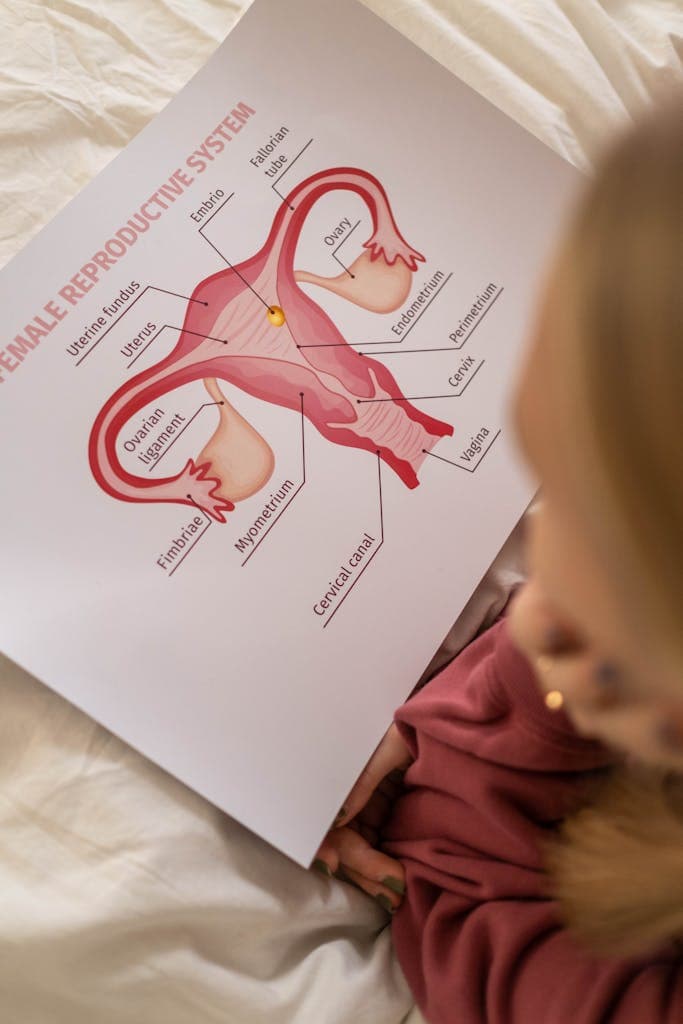
Cervical ectropion occurs when the glandular cells from inside the cervical canal move to the outer surface of the cervix.
These cells are more delicate and can bleed easily, which can lead to symptoms such as:
- Vaginal discharge
- Bleeding after sex
- Spotting between periods
- Pelvic discomfort
- Irritation or inflammation of the cervix
Cervical ectropion is not cancerous and does not increase the risk of cervical cancer, but treatment may be recommended if symptoms are persistent or disruptive.
Book a Cervical Ectropion Consultation
Our Surgical Specialist

Dr Mamta Pathak
Consultant Gynaecologist & Gynaecology Surgical Specialist
GMC: 5194087
.
Symptoms of Cervical Ectropion
Many women do not experience symptoms, but when symptoms occur they may include:
- Post-coital bleeding (bleeding after sex)
- Unusual vaginal discharge
- Light bleeding between periods
- Pelvic discomfort or irritation
- Increased sensitivity during intercourse
If you experience persistent symptoms, it is important to see a specialist gynaecologist for evaluation.rease the risk of cervical cancer, but treatment may be recommended if symptoms are persistent or disruptive.

Diagnosis of Cervical Ectropion
Cervical ectropion is usually diagnosed during a gynaecological examination.
Your consultant may perform:
- A pelvic examination
- A cervical screening or smear test
- A colposcopy to examine the cervix in detail
These tests help confirm the diagnosis and rule out other conditions.
Cervical Ectropion Treatment Procedure
If symptoms are troublesome, treatment may be recommended to remove the delicate cells causing irritation.
The most common treatment is cervical cauterisation, sometimes called cervical ectropion cautery.
The Procedure
During the procedure, a specialist uses one of the following techniques to seal the affected tissue:
- Diathermy cauterisation
- Cryotherapy (freezing treatment)
- Silver nitrate application
The treatment gently seals the glandular cells, allowing the cervix to heal with stronger protective tissue.
How Long the Procedure Takes
The procedure usually takes 5–10 minutes and is performed during a simple outpatient appointment.
Anaesthetic
Most patients do not require anaesthetic, although a local anaesthetic may be used if needed.

Recovery After Cervical Ectropion Treatment
Recovery from cervical ectropion treatment is usually quick and uncomplicated.
After the procedure you may experience:
- Mild cramping
- Light spotting or discharge
- Temporary watery discharge while the cervix heals
These symptoms usually settle within a few days to two weeks.
Patients are normally advised to:
- Avoid sexual intercourse for 1–2 weeks
- Avoid tampons during the healing period
- Follow your doctor’s aftercare instructions
Most patients can return to normal daily activities immediately.
Benefits of Cervical Ectropion Treatment
Treating symptomatic cervical ectropion can provide several benefits:
- Reduced abnormal bleeding
- Less vaginal discharge
- Improved comfort during sex
- Reduced cervical irritation
- Improved overall gynaecological health
Treatment is quick, safe, and highly effective for most patients.
.
Why Choose Midlands Women’s Health?
Patients choose our clinic for cervical ectropion treatment because we offer:
- Consultant-led gynaecology care
- Rapid diagnosis and treatment
- Private, comfortable clinical environment
- Same-day procedures where possible
- Personalised care and clear medical guidance
Our specialists provide expert gynaecological care with compassion, discretion, and clinical excellence.
Frequently Asked Questions
Cervical ectropion (sometimes called cervical ectopy or cervical erosion) is a common and harmless condition where the delicate glandular cells from inside the cervical canal are present on the outer surface of the cervix. Although the appearance may look different during an examination, it is not cancer and does not increase your risk of cervical cancer.
Cervical ectropion is influenced by hormones and is particularly common:
- During adolescence
- In pregnancy
- In women taking the combined oral contraceptive pill
- During the reproductive years
It often resolves naturally over time.
Cervical ectropion is usually diagnosed during a pelvic examination. If you have abnormal bleeding, your consultant may recommend additional investigations, such as a cervical screening test (if due), infection screening, or a colposcopy, to rule out other causes.
Not always. If you have no symptoms, treatment is usually unnecessary. If symptoms such as persistent bleeding or troublesome discharge are affecting your quality of life, treatment may be recommended.
Treatment aims to seal the delicate glandular cells on the surface of the cervix. Options may include:
- Cautery (using heat)
- Cryotherapy (freezing treatment)
- Silver nitrate application
These treatments are usually performed as outpatient procedures and do not require a general anaesthetic.
Most women experience only mild discomfort, similar to period cramps. Local anaesthetic is not usually required, and the procedure is generally well tolerated.
Helpful Websites & Support Resources – Cervical Ectropion Treatment
The following trusted organisations provide reliable information about cervical ectropion, common symptoms, diagnosis, treatment options, and when treatment may be recommended.
| Organisational Name | Link | Description |
| NHS | https://www.nhs.uk/conditions/cervical-ectropion/ | Trusted NHS information explaining what cervical ectropion is, why it occurs, common symptoms such as bleeding after sex or increased discharge, and treatment options including when no treatment is needed. |
| Jo’s Cervical Cancer Trust | https://www.jostrust.org.uk/ | The UK’s leading cervical health charity, providing accessible information and support about cervical conditions, investigations, treatments, and understanding symptoms that affect the cervix. |
| Royal College of Obstetricians and Gynaecologists | https://www.rcog.org.uk/for-the-public/ | Provides evidence-based information about gynaecological conditions, investigations, and treatments, supporting patients to understand procedures and management options. |
| Cancer Research UK | https://www.cancerresearchuk.org/about-cancer/cervical-cancer | Provides clear information about cervical health, cervical screening, abnormal cervical changes, and investigations used to assess cervical symptoms. |
Have Questions? Contact Us
Not sure which women’s health or gynaecology service is right for you?
Our friendly team at Midlands Women’s Health, a private women’s health clinic in Birmingham, is here to help
Get in Touch With Us
Address
Kat and Co, 20 Calthorpe Road, Edgbaston, Birmingham, B15 1RP
Phone

We provide fast, confidential, and patient-centered care to women across Birmingham and the Midlands
Let us help you take the next step towards better pelvic health, personalised gynaecology care, and improved quality of life.