
Private Cervical Polyp Treatment with Specialist Gynaecologists
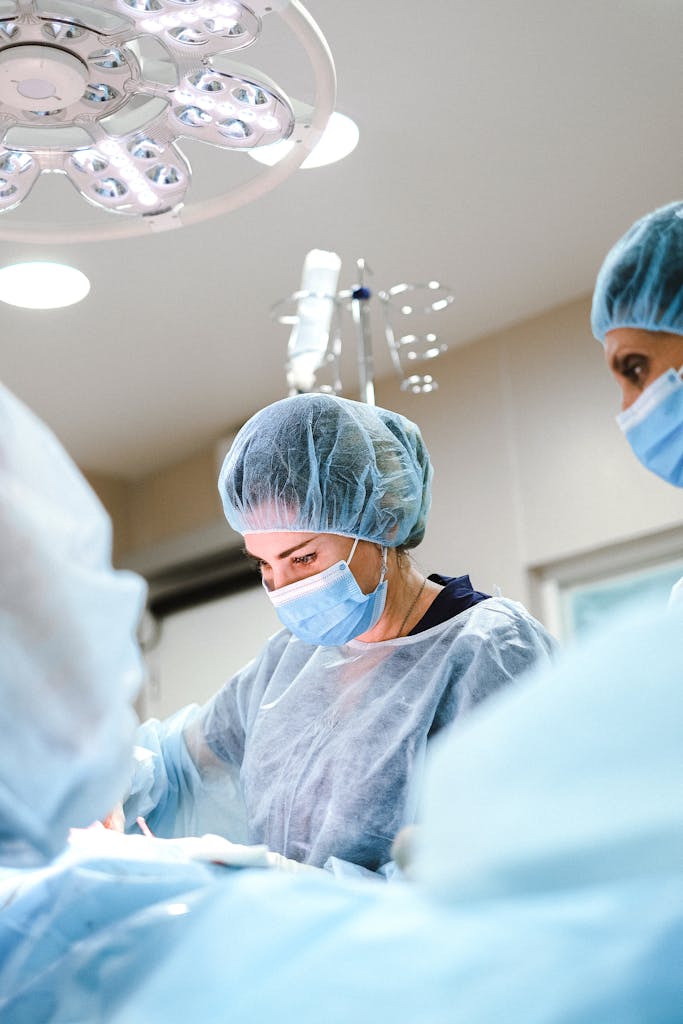
At Midlands Women’s Health, we provide expert cervical polyp removal procedures performed by experienced consultant gynaecologists in a safe and private clinical environment in Birmingham and The Midlands.
Cervical polyps are common benign growths on the cervix that can sometimes cause symptoms such as irregular bleeding, vaginal discharge, or bleeding after sex. While most cervical polyps are harmless, removal is often recommended to relieve symptoms and rule out other conditions.
Our clinic offers fast diagnosis and same-day cervical polyp removal, helping patients receive prompt treatment with minimal discomfort and a quick recovery.

What Are Cervical Polyps?
Cervical polyps are small, soft growths that develop on the cervix, the lower part of the uterus that connects to the vagina.
They are usually non-cancerous (benign) and often occur in women over the age of 20, particularly those who have had children.
Polyps can vary in size and may appear as smooth red or purple growths extending from the cervical canal.
Although many cervical polyps cause no symptoms, they can sometimes lead to abnormal bleeding or discharge.
Symptoms of Cervical Polyps
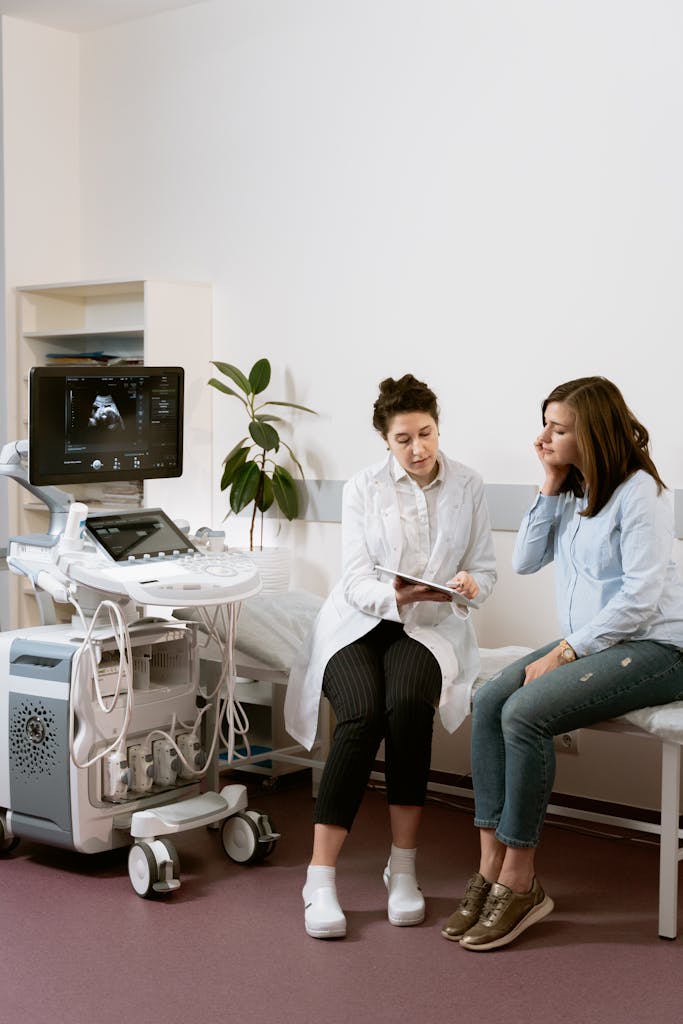
Many women are unaware they have cervical polyps until they are discovered during a routine examination or smear test.
When symptoms occur, they may include:
- Bleeding after sexual intercourse
- Bleeding between periods
- Unusually heavy menstrual periods
- Post-menopausal bleeding
- Abnormal vaginal discharge
If you experience any of these symptoms, it is important to seek assessment from a specialist gynaecologist to determine the cause.
Causes of Cervical Polyps
The exact cause of cervical polyps is not always clear, but several factors may contribute to their development.
Possible causes include:
- Chronic inflammation of the cervix
- Hormonal changes, particularly increased oestrogen
- Blocked cervical blood vessels
- Infections or cervical irritation
Your consultant will assess your medical history and symptoms to determine whether removal is recommended.
Diagnosis of Cervical Polyps
Cervical polyps are typically diagnosed during a gynaecological examination.
Your doctor may perform:
- A pelvic examination
- A cervical screening (smear test)
- A colposcopy to examine the cervix in more detail
If a polyp is present, it can often be removed during the same appointment

Cervical Polyp Removal Procedure
Cervical polyp removal is a simple outpatient procedure that usually takes only a few minutes.
How the Procedure Works
During the procedure:
- A speculum is gently inserted into the vagina to visualise the cervix.
- The polyp is carefully grasped with a specialised instrument.
- The polyp is gently twisted or removed from its base.
- In some cases, a small amount of cauterisation may be used to prevent bleeding.
The removed tissue may be sent for laboratory analysis to confirm it is benign.
Is Cervical Polyp Removal Painful?
Most patients experience minimal discomfort during the procedure.
The sensation is often similar to a smear test, and the procedure typically takes less than 10 minutes.
In some cases, a local anaesthetic may be used to improve comfort.

Recovery After Cervical Polyp Removal
Recovery after cervical polyp removal is usually quick.
You may experience:
- Mild cramping
- Light spotting or bleeding
- Temporary watery discharge
These symptoms usually resolve within a few days.
Patients are generally advised to:
- Avoid sexual intercourse for about one week
- Avoid tampons during the healing period
- Follow the aftercare instructions provided by your doctor
Most women can return to normal activities the same day.
Benefits of Cervical Polyp Removal
Removing cervical polyps can provide several important benefits:
- Relief from abnormal bleeding
- Reduced vaginal discharge
- Improved cervical health
- Prevention of polyp growth or irritation
- Confirmation that the polyp is benign
Cervical polyp removal is a safe, effective, and commonly performed procedure.
Why Choose Midlands Women’s Health?
Our clinic provides specialist private gynaecology care focused on patient comfort, safety, and expert treatment.
Patients choose Midlands Women’s Health because we offer:
- Consultant-led gynaecological care
- Rapid diagnosis and treatment
- Same-day minor procedures where possible
- Modern clinical facilities
- Personalised care and clear medical guidance
We aim to provide high-quality, compassionate care for every patient.
Book a Cervical Polyp Consultation
Our Surgical Specialist

Dr Mamta Pathak
Consultant Gynaecologist & Gynaecology Surgical Specialist
GMC: 5194087
Frequently Asked Questions
A cervical polyp is a small benign growth that develops on the cervix. Most polyps are non-cancerous and are commonly found during routine gynaecological examinations.
Many doctors recommend removing cervical polyps, especially if they cause symptoms such as bleeding or discharge. Removal also allows the tissue to be examined to confirm it is benign.
The procedure is usually quick and minimally uncomfortable, often similar to having a smear test.
The procedure typically takes 5–10 minutes and is usually performed during an outpatient appointment.
Yes, cervical polyps can sometimes recur. However, removal usually resolves symptoms and new polyps can be treated if they develop.
Most cervical polyps are benign. However, removed polyps are often sent for laboratory testing to confirm this.
You should seek medical advice if you experience:
- Bleeding after sex
- Bleeding between periods
- Post-menopausal bleeding
- Persistent abnormal discharge
These symptoms should always be evaluated by a specialist.
Have Questions? Contact Us
Not sure which women’s health or gynaecology service is right for you?
Our friendly team at Midlands Women’s Health, a private women’s health clinic in Birmingham, is here to help
Get in Touch With Us
Address
Kat and Co, 20 Calthorpe Road, Edgbaston, Birmingham, B15 1RP
Phone

We provide fast, confidential, and patient-centered care to women across Birmingham and the Midlands
Let us help you take the next step towards better pelvic health, personalised gynaecology care, and improved quality of life.